While stress may affect only your mood, it can influence many other things as well. Chronic stress can disrupt your sleep, distract you, increase emotional tension, and tire the body all the time. Quantum wellness addresses these issues from a holistic standpoint, focusing on the interrelation between psychological, emotional, physical, and energetic aspects of health.
Practices like meditation, visualization, breathwork, setting intention, and energy balancing may promote a greater sense of peace and self-awareness. Discover five main advantages of quantum wellness for stress relief and learn how these practices can help you achieve a more peaceful way of life.
What is Quantum Wellness?
Quantum wellness is a holistic technique which concentrates on the connections between the mind, body, emotions, and energy system of the body. Depending on the practitioner, quantum wellness may involve meditation, visualization, breathwork, Reiki-related practices, chakra balancing, sound healing, and intention. It is aimed at helping people feel better in all aspects of their lives instead of addressing some specific issue only.
Quantum wellness implies complementary health practices and does not replace any kind of medical treatment. For stress relief, many of its techniques are relaxation-oriented and can assist people to relax, become more aware of themselves, and learn how to cope with daily stresses in a healthier way.
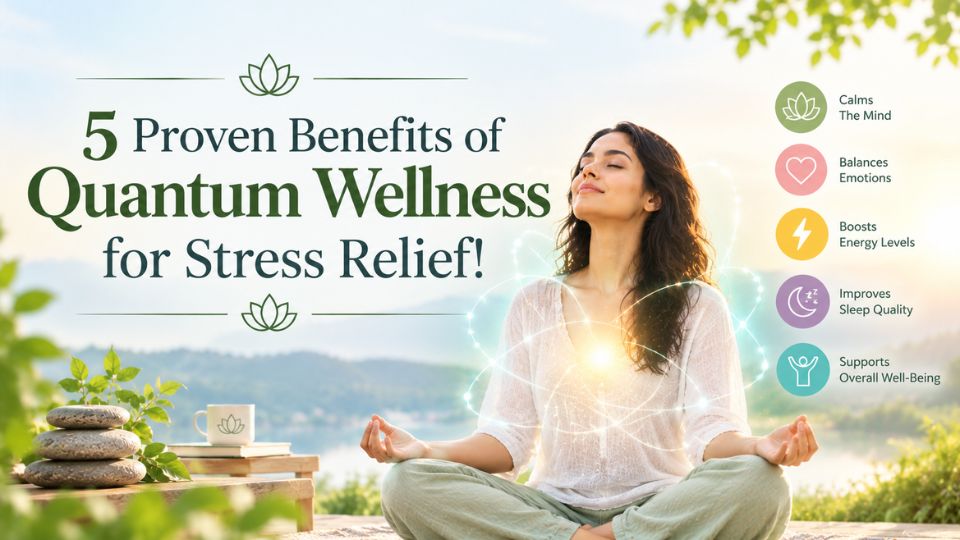
5 Key Benefits of Quantum Wellness for Stress Relief
Quantum wellness approaches stress from many different interconnected aspects, including relaxation, emotional awareness, mental clarity, and body awareness. The following are five key benefits of quantum wellness for stress relief that can make these practices a useful part of a broader wellness routine.
1. Promotes Relaxation and Stress Relief
One of the main benefits of quantum wellness for stress relief is the relaxation-oriented nature of the techniques it uses. Work pressures, personal problems, financial worries, and constant use of electronic devices can keep your mind active all day long.
Techniques like meditation, guided visualization, breathing exercises, and setting intentions will help you take a break from constantly reacting and learn how to relax.
Many studies show that meditation techniques may be used to reduce perceived stress and improve emotional well-being, thus being very helpful in your stress management routine.
2. Helps to Support the Balance of the Nervous System
The nervous system is an important element of the body’s response to stress. When a person is threatened or overwhelmed, their body activates the fight-or-flight response, which increases heart rate, muscle tension, and alertness, among other physical reactions.
Practices associated with quantum healing, including meditation, visualization, breathwork, and relaxation can encourage a calmer state and give an opportunity to the body to relax.
3. Helps Increase Mental Clarity and Emotional Awareness
When the individual is stressed, repetitive thoughts can occur in their mind and complicate the process of concentration or making decisions. With the help of meditation and visualization, one can get some distance from their thoughts and observe the pattern of thinking instead of reacting to each of them.
Emotional awareness is as crucial as the understanding of what one is thinking about. Sometimes perfectionism, fear, unresolved emotions, and problems with setting boundaries cause pressure on the person even though they do not face any urgent problems. Focused intention and visualization may help people see the picture clearly and respond to stress better.
4. Helps People Sleep and Recover Better
As it was mentioned above, stress and lack of sleep usually create a vicious circle. Active thoughts make it hard for the person to fall asleep, while poor sleep can make the next day more stressful. Quantum wellness practices like meditation, controlled breathing, visualization, and guided relaxation can be implemented in the bedtime routine and serve as a means of transitioning from active daytime to peaceful sleep.
If a person spends a few minutes slowing the breath and relieving the physical tension, they can feel more relaxed before going to bed. Nonetheless, quantum wellness should not be considered a cure for insomnia, and if one has serious issues with falling asleep, they should seek professional help.
5. Develops the Mind-Body Connection
Stress is experienced mentally and physically as well. Worries and emotions can be expressed through the occurrence of such things as headaches, muscle tension, fatigue, indigestion, restlessness, insomnia, etc. Through meditation, controlled breathing, visualization, body awareness, and some other complementary practices, quantum wellness encourages people to notice these symptoms and become more aware of them.
Increased awareness can contribute to healthier decisions in the future, as one will know when they need to take a break and understand the reasons for tension and poor sleep. Moreover, it can encourage people to have healthy habits, including exercise, sleep, breathing practices, spending time outdoors, etc.
Conclusion
To sum up, the benefits of quantum wellness for stress relief can include deep relaxation, increased awareness of the nervous system functioning, improved mental clarity, preparation for sleep, and development of mind-body connection. Although quantum wellness is supposed to remain complementary to the proper treatment of health or mental issues, such practices as meditation, visualization, controlled breathing, and intention can help manage daily stress.
For those seeking personalized guidance, Babita Chaudhary offers a holistic approach focused on self-awareness, emotional balance, and personal well-being. Her guidance can provide a supportive space to understand stress patterns, reconnect with inner balance, and develop wellness practices that encourage greater calm and clarity in everyday life.